
Views: 0 Author: Site Editor Publish Time: 2026-08-10 Origin: Site


Modular and prefabricated construction is expanding rapidly. This growth collides with strict net-zero energy building codes, forcing manufacturers to rethink rooftop energy generation. Traditional rigid solar arrays introduce significant weight and require structural roof reinforcements. They complicate factory-to-site transport and compromise the architectural aesthetics of modern prefab designs. When a modular unit travels down a highway, heavy glass and aluminum racking systems become a logistical liability. While historically less common on traditional residential roofs, solar sheet technology is maturing from niche applications into scalable, continuous-roll manufacturing. Modern thin-film and advanced polymer-coated silicon cells offer a compelling alternative to heavy crystalline modules. This guide evaluates the technical viability, integration risks, and performance trade-offs of specifying these lightweight energy systems for residential prefab projects. You will learn how to navigate structural load limits, manage thermal constraints, and select the right polymer encapsulations to ensure long-term reliability.
Weight and Structural Advantages: Flexible solar sheets eliminate the need for heavy aluminum racking and roof penetrations, making them ideal for weight-restricted modular transport and rapid factory integration.
Architectural Versatility: Unlike rigid arrays, flexible solar panels can bend to accommodate curved surfaces, turning previously unusable architectural elements into active power sources.
Efficiency and Thermal Trade-offs: While material innovations are closing the gap, flexible options generally exhibit lower conversion efficiencies and require strict thermal management compared to rigid monocrystalline panels.
Material Durability is Critical: The lifespan of a flexible solar panel depends heavily on its top-layer polymer (ETFE vs. PET) and its resistance to UV degradation and delamination over a 15-to-25-year lifecycle.
Supplier Vetting: Differentiating between consumer-grade portable solar panels and commercial-grade building-integrated photovoltaics (BIPV) is essential when selecting a reliable solar panel supplier for long-term residential use.
Modular construction relies on transporting fully assembled units from a factory to the final site. Highway transport subjects these modules to extreme dynamic loads. We see severe vibration, wind shear, and sudden mechanical shocks during transit. Traditional glass-and-aluminum solar arrays add massive static weight to the roof structure. A standard rigid panel weighs roughly 20 to 25 kilograms. When multiplied across an entire residential array, this dead load forces structural engineers to upsize roof joists and load-bearing walls. This cuts into the strict weight limits mandated by highway transportation authorities, where gross vehicle weight and axle load distribution are heavily regulated. A modern prefabricated house solar system must bypass these restrictions. Lightweight energy solutions weigh as little as 2 to 3 kilograms per square meter. Builders maximize energy generation without triggering oversized load penalties or requiring heavy-duty transport cranes. You avoid the need for specialized rigging equipment on the job site, keeping the installation timeline intact.
Rigid racking systems demand mechanical roof penetrations. Installers drill through the weatherproofing membrane to anchor lag bolts into the structural rafters. Every penetration introduces a potential failure point for water ingress. In prefabricated construction, units are often wrapped in continuous TPO (Thermoplastic Polyolefin) or EPDM (Ethylene Propylene Diene Monomer) membranes. Piercing the roof voids manufacturer warranties and invites long-term moisture damage. Low-impact solar alternatives utilize industrial-grade adhesives to bond directly to the roof surface. This flush-mount approach preserves the integrity of the moisture barrier. It eliminates thermal bridging through metal fasteners and completely removes the risk of leak-induced structural rot. Furthermore, removing the dead weight of aluminum racks allows engineers to allocate more roof load capacity to handle heavy winter snow accumulations.
Modern prefab architecture frequently incorporates non-linear designs, aerodynamic rooflines, and curved modular pods. Traditional rigid panels fail in these applications. They require flat, planar surfaces and bulky mounting hardware that ruins the visual profile of a streamlined home. Flexible photovoltaics conform to the underlying geometry of the structure. They wrap around rounded roof edges, adhere to cylindrical structural columns, and integrate seamlessly into custom awnings. This adaptability turns previously dead architectural space into an active generation footprint. Designers pursue aggressive aesthetic visions without sacrificing energy code compliance. The ability to follow the contours of a building envelope means architects no longer have to hide the solar array; they can feature it as a core design element.
On-site solar installation is a notorious operational bottleneck. It requires specialized labor, introduces weather delays, and forces multiple trades to coordinate on a cramped job site. Prefabrication thrives on controlled, assembly-line efficiency. Applying solar technology directly on the factory floor transforms the installation process. Workers bond adhesive-backed panels to roof modules at ground level in a climate-controlled environment. This ensures perfect adhesive curing temperatures and eliminates fall hazards. The electrical team pre-wires all micro-inverters and junction boxes before the module ever leaves the facility. Upon site delivery, the solar array merely requires a rapid plug-and-play grid connection. This shifts the labor from expensive field contractors to efficient factory technicians.
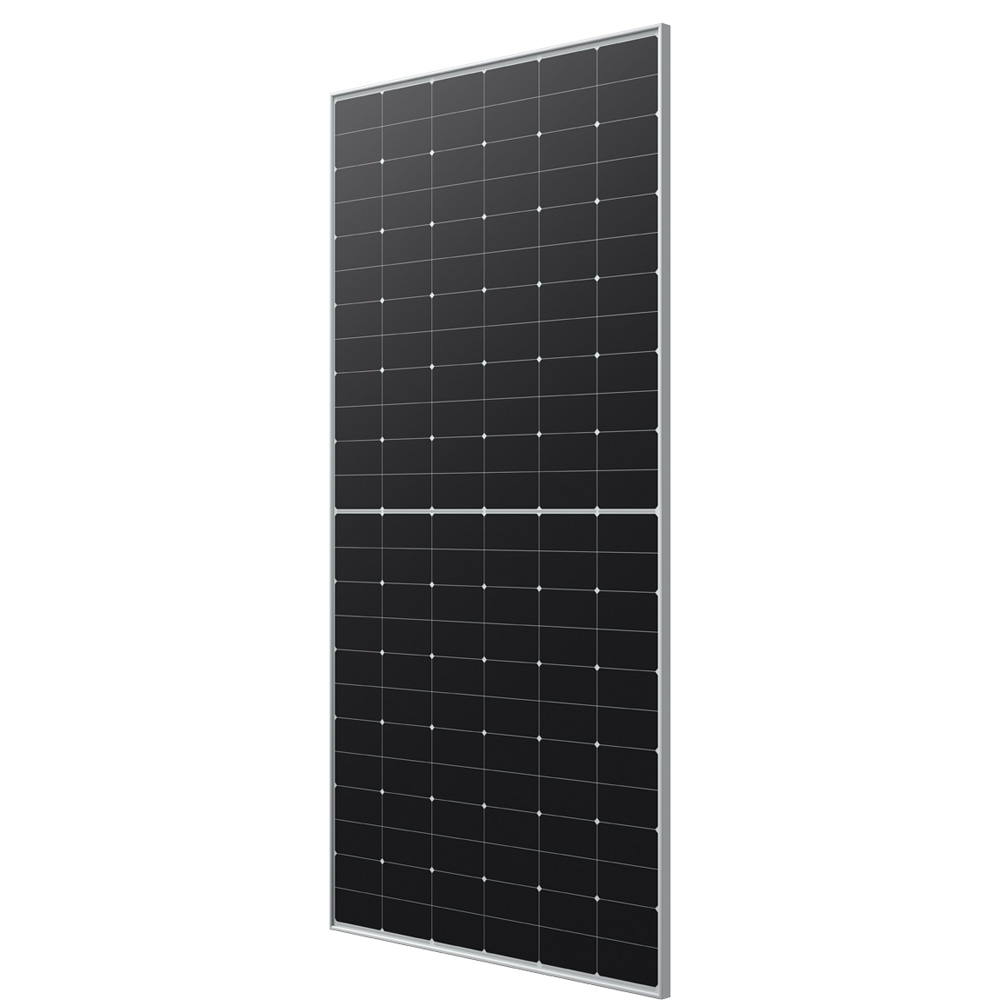
The manufacturing of a flexible solar sheet has evolved far beyond early amorphous silicon. Emerging scalable fabrication techniques now utilize roll-to-roll continuous sheet manufacturing. This process deposits active photovoltaic materials onto flexible substrates at high speeds, drastically reducing production bottlenecks. Organic Photovoltaics (OPV) represent a massive leap in this space. OPV materials use carbon-based molecules to convert sunlight into electricity. Engineers tune these materials to absorb specific, invisible wavelengths of light, such as infrared or ultraviolet, while allowing visible light to pass through. This capability enables semi-transparent applications. Builders apply OPV films directly to prefab windows, glass facades, or skylights. You turn standard building envelopes into invisible power plants without obstructing natural light or altering the exterior color palette.
Beyond organic compounds, the industry relies heavily on CIGS (Copper Indium Gallium Selenide) technology. CIGS cells are deposited in microscopic layers onto flexible substrates like stainless steel or polyimide. They offer excellent low-light performance and superior shade tolerance compared to traditional silicon. This makes them highly effective in northern climates or heavily wooded residential lots. Perovskite solar cells are rapidly moving from the laboratory to commercial production. Perovskites feature a unique crystallographic structure that yields high conversion efficiencies with incredibly thin material layers. When layered with other thin-film technologies in a tandem configuration, Perovskites drastically improve energy capture. They maintain the pliability required for architectural integration, pushing flexible module efficiency closer to rigid panel standards.
Despite advances in thin-film tech, the current market standard for high-wattage flexible generation remains crystalline silicon (c-Si). Manufacturers slice monocrystalline silicon ingots into ultra-thin wafers, often less than 160 micrometers thick. These wafers possess a surprising degree of inherent flexibility. By sandwiching them between durable protective polymers instead of rigid glass, engineers create a high-efficiency module that can bend. Physical limits exist. Most c-Si flexible modules have a maximum bend radius of about 30 degrees. Exceeding this curvature stresses the silicon lattice, leading to micro-cracking. These microscopic fractures sever electrical pathways, create localized hotspots, and permanently degrade the panel's output. Installers must strictly adhere to the manufacturer's bend radius guidelines during factory application.
Because flexible panels lack a protective glass shield, their longevity depends entirely on the top-layer polymer encapsulation. The two primary materials used are PET (Polyethylene Terephthalate) and ETFE (Ethylene Tetrafluoroethylene). PET is common in cheap, temporary solar products. It degrades rapidly under continuous UV exposure, turning yellow, becoming brittle, and eventually delaminating. This yellowing blocks sunlight and plummets efficiency. ETFE is mandatory for permanent residential applications. It is a robust fluoropolymer with exceptional UV stability and thermal resistance. ETFE features a textured, non-stick surface that provides self-cleaning properties. Rain easily washes away dust and debris. Specifying ETFE ensures the solar array can survive a 15-to-25-year lifecycle on a rooftop without suffering catastrophic optical degradation.
Historically, flexible photovoltaics were relegated to marine environments, RVs, and off-grid camping. Early iterations suffered from rapid degradation, poor heat management, and low efficiency. This created a stigma against residential use. Modern prefab-specific engineering mitigates these drawbacks. Factory-controlled adhesion ensures a permanent, wind-resistant bond that field installations rarely achieve. Advanced bypass diodes now isolate shaded cells, preventing the massive power drops that plagued older flexible strings. By treating the solar layer as an integrated building material rather than an aftermarket accessory, prefab manufacturers have elevated flexible tech to commercial-grade reliability. The industry now recognizes these systems as legitimate primary power sources for net-zero housing.
When specifying a flexible solar panel, engineers must account for differences in power density. High-efficiency rigid monocrystalline panels routinely achieve 21% to 23% conversion efficiency. Flexible c-Si panels hover around 18% to 20%, while thin-film CIGS typically yields 14% to 17%. This means flexible technology requires a larger physical footprint to generate the same wattage. If a prefabricated home requires a 6kW system, a rigid array might occupy 30 square meters. A thin-film flexible array might require 40 square meters. Builders must map the available roof and facade space early in the design phase to ensure the home can hit its energy targets. You cannot wait until the modular units are built to calculate the required generation footprint.
Heat is the enemy of photovoltaic efficiency. Solar cells lose voltage as their temperature rises above the standard testing condition of 25°C. Rigid panels sit on aluminum racks, creating a critical air gap underneath that facilitates convective cooling. Flush-mounting flexible sheets directly to a roof membrane eliminates this airflow. The panels absorb solar radiation and transfer that heat directly into the roof deck. This trapped heat accelerates the temperature rise of the silicon cells, triggering a higher thermal penalty. Engineers must select panels with a low temperature coefficient (Pmax). The underlying roof structure must incorporate high-density rigid insulation to prevent thermal transfer into the living space. Proper thermal modeling prevents summer heatwaves from crippling the system's output.
Evaluating performance under extreme weather is critical for building-integrated systems. Rigid glass panels excel at shedding heavy snow and resisting massive hail impacts. Flexible panels handle weather differently. Because they sit flush against the roof, they rely entirely on the structural integrity of the underlying deck to resist hail. ETFE polymers absorb and deflect smaller impacts effectively. However, golf-ball-sized hail can crush the silicon cells beneath the polymer, even if the surface remains intact. Conversely, adhesive-mounted flexible panels exhibit superior wind uplift resistance. Without an air gap to catch updrafts, flush-mounted systems easily survive hurricane-force winds that would otherwise rip traditional racking systems off a roof. They routinely pass stringent UL 1897 wind uplift tests when bonded correctly.
Technical Comparison: Flexible vs. Rigid Solar Arrays | ||
Performance Metric | Flexible Solar Sheets (ETFE c-Si) | Traditional Rigid Arrays (Glass/Al) |
|---|---|---|
Weight per Square Meter | 2.5 - 3.5 kg | 18 - 22 kg |
Average Conversion Efficiency | 18% - 20% | 21% - 23% |
Mounting Method | Industrial Adhesive (Flush) | Mechanical Fasteners (Penetrating) |
Thermal Management | Poor (Requires low temp coefficient) | Excellent (Convective air gap) |
Wind Uplift Resistance | Exceptional (Aerodynamic profile) | Moderate (Vulnerable to updrafts) |
The success of a flush-mounted system relies entirely on the chemical bond between the panel and the roof. You cannot apply flexible panels to just any surface. Granulated asphalt shingles provide terrible adhesion and trap dirt, leading to rapid delamination. Ideal substrates include smooth metal standing seam roofs, fully adhered EPDM, and clean TPO membranes. The application requires rigorous surface preparation to ensure a permanent bond.
Follow these specific steps for factory-floor adhesion:
Clean the target roof membrane using an approved alcohol-based solvent to remove all factory release agents, oils, and dust.
Apply a chemical primer specifically formulated for the roofing material to the exact footprint of the solar sheet.
Position the panel and peel back the release liner on the double-sided butyl tape, applying firm, even pressure with a weighted roller to eliminate air pockets.
Extrude a continuous bead of structural silicone sealant around the entire perimeter of the panel to prevent moisture ingress and edge delamination.
Allow the assembly to cure in a climate-controlled environment for a minimum of 24 hours before moving the module to the transport yard.
Adhesive Options for Flush-Mount Solar Integration | |||
Adhesive Type | Primary Application | Cure Time | Weather Resistance |
|---|---|---|---|
Double-Sided Butyl Tape | Initial tack and positioning | Instant | High moisture resistance, poor UV resistance if exposed |
Structural Silicone | Perimeter sealing and edge protection | 24 - 48 hours | Exceptional UV and temperature extreme resistance |
Polyurethane Adhesives | Full-surface bonding on metal roofs | 12 - 24 hours | Strong mechanical bond, moderate flexibility |
To overcome the lower power density of flexible technology, prefab designers look beyond the primary roof deck. Multi-surface integration maximizes the generation footprint. Flexible panels adhere to vertical exterior walls, south-facing structural awnings, and the curved shells of modular utility pods. Vertical applications capture lower-angle winter sun highly effectively. This smooths out the seasonal energy generation curve, providing more consistent power year-round. When applying panels to facades, architectural alignment becomes critical. The wiring routes seamlessly through the exterior cladding without compromising the building's rainscreen or thermal envelope. You must coordinate with the siding manufacturer to ensure the adhesives do not react poorly with the exterior finishes.
Concealing wiring in modular junctions requires precise engineering. Unlike traditional roofs where wires tuck neatly under aluminum rails, flush-mounted systems expose wiring runs. Prefab builders design low-profile junction boxes and integrate conduit pathways directly into the structural insulated panels (SIPs). Multi-surface integration introduces severe shading variables. A panel on a vertical wall experiences drastically different sunlight than a panel on a flat roof. String inverters fail in this scenario. Builders utilize micro-inverters or DC power optimizers mounted inside the roof cavity. These devices isolate each panel's output. Shade on one section of the house does not drag down the performance of the entire array. This decentralized architecture also simplifies the final electrical connections when joining modular units on-site.
Integrating photovoltaics directly into the building envelope triggers strict fire safety regulations. Traditional solar panels carry their own fire ratings. Flush-mounted flexible panels alter the fire dynamics of the underlying roof. If a panel catches fire, it burns directly against the waterproofing membrane. The entire assembly—panel, adhesive, and roof deck—must pass rigorous testing. Builders demand UL 1703 or UL 61730 certifications for the modules. You must verify the system achieves a Class A fire rating when installed over the specific roofing material used in the prefab design. Failure to secure these certifications results in failed municipal inspections and uninsurable properties. Always consult the local Authority Having Jurisdiction (AHJ) before finalizing the roof assembly.
The market is flooded with cheap, flexible solar products designed for temporary use. A portable solar panel built for a weekend camping trip is fundamentally incompatible with permanent residential construction. These consumer-grade units utilize PET coatings, lack robust bypass diodes, and feature non-standard wiring connectors that fail under continuous weather exposure. Integrating these panels into a prefabricated home guarantees premature system failure, voided warranties, and severe reputational damage to the builder. Procurement teams strictly filter out consumer electronics and focus exclusively on architectural-grade Building-Integrated Photovoltaics (BIPV). You must demand commercial-grade junction boxes and IP68-rated connectors.
Selecting the right manufacturing partner dictates the success of the solar integration program. When evaluating a solar panel supplier, builders look beyond basic spec sheets. Require proof of continuous roll availability to ensure they can meet high-volume factory production schedules. Demand batch consistency reports to verify that cell color and efficiency remain uniform across massive orders. Investigate their adhesive warranty partnerships. A reputable supplier tests and certifies their panels with specific roofing membrane manufacturers. Assess their commercial technical support capabilities. You need a partner who provides direct engineering assistance for custom wiring diagrams, thermal modeling, and factory-floor application training.
To successfully integrate flexible solar technology into your next prefabricated project, execute the following steps:
Request engineering samples from shortlisted suppliers to conduct rigorous adhesive pull-testing on your specific roofing membranes.
Execute a pilot factory integration on a single modular unit to refine wire routing and establish standard operating procedures for your assembly line.
Consult with a specialized BIPV structural engineer to map thermal dissipation pathways and verify micro-inverter placement before finalizing the electrical architecture.
Update your factory quality control checklists to include mandatory temperature and humidity monitoring during the adhesive curing phase.
A: High-quality flexible panels encapsulated in ETFE polymers typically last 15 to 25 years. Their lifespan depends heavily on proper installation, UV exposure, and thermal management. Panels using cheaper PET coatings often degrade, yellow, and fail within 3 to 5 years.
A: Standard rigid monocrystalline panels generally offer 21% to 23% efficiency. Flexible crystalline silicon panels typically achieve 18% to 20% efficiency, while thin-film flexible options range from 14% to 17%. Flexible systems require more surface area to generate the same total power.
A: They are flush-mounted using industrial-grade adhesives. Installers typically use high-bond double-sided butyl tapes for immediate adhesion, followed by structural silicone sealants around the perimeter to prevent moisture ingress and edge delamination.
A: Yes. Flexible panels can bend up to 30 degrees for crystalline silicon or more for thin-film. This allows integration onto curved architectural roofs, cylindrical columns, and vertical exterior facades to maximize the energy generation footprint.
A: Flush-mounting traps heat against the roof, raising the panel's temperature. This heat buildup lowers the voltage output and reduces overall efficiency. Using high-density roof insulation and selecting panels with a low temperature coefficient mitigates this performance drop.
A: No. Portable panels are designed for temporary, off-grid use. They lack the UV-resistant ETFE coatings, robust bypass diodes, and UL fire safety certifications required for permanent, code-compliant residential building integration.


