
Views: 0 Author: Site Editor Publish Time: 2025-09-01 Origin: Site


The world is increasingly moving toward renewable energy solutions, and solar power has become one of the most popular choices for households, businesses, and outdoor enthusiasts alike. While large rooftop solar systems are common for generating electricity on a wide scale, not everyone needs such an extensive setup. For smaller applications, a compact and versatile solution exists: the mini solar panel. These small but efficient devices are designed to harness sunlight and convert it into usable electricity for portable electronics, lighting, and a wide range of low-power devices.
Understanding what a mini solar panel is, how it works, and where it can be used provides insight into why this technology is gaining popularity. From camping trips to small DIY projects, mini solar panels are proving to be practical, eco-friendly, and cost-effective.
A mini solar panel is essentially a smaller version of a standard solar panel. Like their larger counterparts, mini panels use photovoltaic (PV) cells to capture energy from sunlight and convert it into electricity. The main difference lies in their size, power output, and intended applications. While traditional solar panels may generate hundreds of watts to several kilowatts of power, mini solar panels are designed to produce a much smaller output, often ranging from a fraction of a watt to about 20 watts.
Because of their compact size, these panels are lightweight, portable, and easy to integrate into everyday items. They are commonly seen in calculators, solar-powered lights, portable chargers, and small appliances. Their flexibility makes them an appealing choice for individuals seeking simple and sustainable power solutions without investing in large solar arrays.
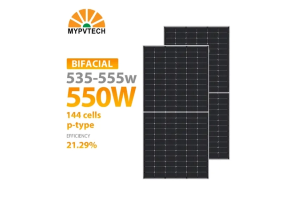
The working principle of a mini solar panel is the same as that of larger panels. Inside the panel are photovoltaic cells, usually made from silicon. When sunlight hits these cells, it excites electrons, generating a flow of electricity. This process is known as the photovoltaic effect.
The electricity produced is in the form of direct current (DC), which can then be used directly to charge batteries or power small devices. In some cases, when mini panels are used for specific applications, they may be paired with additional components such as:
Charge controllers to regulate energy flow and prevent overcharging of batteries.
Rechargeable batteries to store energy for later use.
Voltage regulators to maintain a consistent output suitable for sensitive electronics.
Although small in scale, mini solar panels function effectively in providing reliable energy for a wide range of applications.
Mini solar panels are available in various sizes and power ratings to suit different needs. Some are as small as a credit card and designed to power tiny gadgets, while others can be larger, around the size of a tablet, with the ability to charge phones, tablets, or small fans.
Typical power ratings include:
0.5 to 2 watts: Suitable for calculators, garden lights, and small sensors.
3 to 10 watts: Commonly used for phone charging, small electronics, and hobby projects.
10 to 20 watts: Can charge tablets, run LED lighting, or support small DC appliances.
The choice depends on the intended use and the amount of power required. For example, a camper may opt for a foldable 15-watt mini solar panel to recharge devices during outdoor trips, while a homeowner may use smaller 1-watt panels integrated into decorative solar garden lights.
Mini solar panels are valued for their versatility, and their applications span many different areas of daily life.
One of the most common uses for mini solar panels is charging small electronic devices such as smartphones, MP3 players, cameras, and GPS units. Foldable or pocket-sized panels are particularly useful for travelers, hikers, and outdoor enthusiasts who want to stay connected without relying on traditional power sources.
Many solar-powered garden lights, pathway markers, and decorative fixtures use mini solar panels to store energy during the day and provide illumination at night. These lights are simple, eco-friendly, and require no wiring or external power supply.
Mini solar panels are popular in schools and hobbyist projects for demonstrating renewable energy principles. They are used in science experiments, model cars, boats, or robots powered entirely by solar energy, offering a hands-on way to understand sustainability.
In situations where electricity is unavailable, mini solar panels can serve as a backup. For example, small portable panels can keep phones charged during power outages, ensuring communication remains possible.
Mini solar panels are often used to power small sensors for weather stations, air quality monitors, or agricultural tools. Their low energy needs make them ideal for remote or outdoor environments where conventional power access is limited.
Mini solar panels offer numerous benefits that make them an attractive option for individuals and households.
Portability and Convenience
Their lightweight design makes them easy to carry anywhere, whether on a camping trip, a hike, or a daily commute. Foldable panels add further portability, fitting neatly into backpacks.
Eco-Friendly Energy Source
Mini solar panels harness clean, renewable energy from the sun, reducing reliance on disposable batteries or fossil-fuel-powered chargers. This makes them a sustainable alternative for powering small devices.
Cost-Effective Power
While the initial cost of mini solar panels varies, they save money in the long term by reducing electricity bills and eliminating the need for frequent battery replacements.
Ease of Use
Most mini solar panels are plug-and-play devices, requiring no professional installation. They can be set up quickly, even by beginners, and are often paired with USB ports for direct device charging.
Versatility
With a wide range of sizes and power ratings, mini solar panels can serve multiple functions, from lighting pathways to recharging gadgets or powering sensors.
While mini solar panels are practical, they also come with limitations.
Limited Power Output: Mini panels are not designed to run household appliances or energy-hungry devices such as refrigerators, microwaves, or TVs.
Dependence on Sunlight: Their performance depends heavily on sunlight availability. Cloudy weather or shaded conditions can reduce efficiency.
Slower Charging: Compared to traditional wall outlets, mini solar panels charge devices more slowly. Patience is often required when relying solely on solar power.
Durability Considerations: Smaller panels may be more prone to wear and tear, particularly in portable outdoor applications. Choosing panels with robust materials helps improve longevity.
These limitations mean mini solar panels are best used as a supplementary energy source rather than a replacement for conventional electricity.
With many options available, selecting the right mini solar panel involves considering a few key factors:
Power Needs: Identify the devices you want to power. A phone may need a 5-watt panel, while multiple gadgets may require 10 watts or more.
Portability: For outdoor use, look for lightweight and foldable panels. For fixed applications, sturdier standalone models may be preferable.
Durability: Choose panels with water-resistant and shockproof designs for outdoor activities.
Compatibility: Ensure the panel has the appropriate connectors, such as USB ports or DC plugs, for your devices.
Battery Storage: Some mini solar systems come with built-in rechargeable batteries, allowing energy to be stored for later use, even when sunlight is unavailable.
By evaluating these factors, you can find a mini solar panel that matches your lifestyle and energy needs.
As awareness of sustainability grows, mini solar panels are becoming more common in daily life. Their role extends beyond just convenience—they represent a shift toward personal responsibility for energy use. Whether powering a phone in the wilderness, lighting a garden without electricity costs, or teaching children about renewable energy, mini solar panels symbolize practical, everyday steps toward a greener future.
Advances in technology are also improving their efficiency, durability, and affordability, making them more accessible to households around the world. In combination with larger solar systems, mini solar panels contribute to an energy ecosystem that is flexible and sustainable.
A mini solar panel is a small yet powerful tool for generating clean energy from the sun. Designed for low-power applications, these panels provide portable, cost-effective, and eco-friendly solutions for charging electronics, lighting outdoor spaces, and supporting educational or emergency uses. While they cannot replace full-sized solar systems, mini panels fill an important niche, offering energy independence and convenience in compact form.
As renewable energy continues to expand, mini solar panels are expected to become an even greater part of everyday life. By combining practicality with sustainability, they help households and individuals embrace greener choices without requiring major investments or complex installations.


