
Views: 0 Author: Site Editor Publish Time: 2026-08-24 Origin: Site


Winter weather creates a specific operational challenge for photovoltaic modules. Cold temperatures drive up voltage and operating efficiency. However, snow accumulation and ice damming can drop energy yields to zero. Unplanned downtime, physical damage from improper snow removal, and inadequate structural load planning during extreme winter weather severely degrade the return on investment and operational lifespan of a ground mount solar panel system. Navigating winter operations requires a shift from passive monitoring to active risk mitigation. This guide breaks down the technical realities of winter operations, structural evaluation criteria, and evidence-based maintenance protocols. We will cover how to ensure continuous production and protect your hardware from freezing conditions.
Efficiency vs. Obstruction: PV modules operate at peak efficiency in sub-freezing temperatures, provided the glass remains completely unobstructed by snow or ice.
Accessibility Advantage: Ground-mounted systems eliminate the severe safety hazards, ladder risks, and logistical costs associated with rooftop winter maintenance.
Design-Stage Mitigation: Two-season adjustable tilt angles, adequate ground clearance for cumulative snow drift data, and high structural load ratings are critical success criteria for winter resilience.
Risk Management: Improper manual snow clearing is a leading cause of micro-cracking and voided warranties; evaluating the cost-benefit of active clearance versus passive melting is essential.
Solar modules generate electricity from light, not heat. The relationship between temperature and voltage is strictly inverse. As ambient temperatures drop below the standard testing condition of 25°C (77°F), the conductive properties of the silicon cells improve. This temperature coefficient means that on a clear, freezing day, a module produces higher peak power than on a hot summer afternoon. The baseline efficiency of the entire array increases. This maximizes the conversion of available irradiance into usable direct current. You must account for this cold-weather voltage spike during the initial string sizing. If you string too many modules together in series, a sub-zero morning can push the total string voltage past the inverter's maximum input limit, causing a hard shutdown or permanent equipment damage.
Winter also alters the reflective properties of the surrounding environment. The albedo effect becomes a major production factor when snow covers the ground. Fresh white snow reflects a massive percentage of incoming sunlight. Systems utilizing bifacial modules capture this reflected irradiance on their rear side. This backside boost helps offset the shorter daylight hours and lower sun angles typical of the winter solstice. Proper site design leverages this reflectivity to maintain high daily yields despite the abbreviated solar window. We often see bifacial gains jump from a standard 5-7% in summer to over 15% when a fresh layer of white snow coats the ground beneath the array.
These efficiency gains vanish instantly under partial shading. Snow coverage operates on a binary scale for string inverters. Even minor accumulation matters. When snow slides down the glass and forms an ice dam at the lower frame edge, it covers the bottom row of cells. This localized shading triggers the internal bypass diodes within the module. The diodes route current around the shaded cells to prevent reverse bias heating. Consequently, a single inch of snow blocking the bottom edge can effectively halt production for that entire module. This severely bottlenecks the output of the connected string.
Operational success in winter begins long before the first snowfall. Ground clearance dictates whether an array survives heavy accumulation or suffocates beneath it. The lowest edge of the racking structure must sit higher than the historical maximum snow depth for the specific geographic location. A common failure point occurs when shedding snow piles up directly beneath the modules. Once this cumulative snowbank reaches the lower frame edge, shedding stops completely. The array becomes buried in its own shed snow. Operators must maintain clear ground space beneath the structure so gravity can continuously clear the glass.
Racking design directly influences winter performance. Fixed-tilt structures lock the array into a single angle year-round. This compromises winter shedding for summer production. Seasonally adjustable racking offers a two-season optimization strategy. Operators manually adjust the tilt angle twice a year. Setting ground mount solar panels to a steep winter angle, often exceeding 40 degrees, achieves two specific outcomes. First, it aligns the glass perpendicularly with the low winter sun. Second, it utilizes gravity to accelerate passive snow shedding. The operational expenditure savings gained from passive clearing rapidly justify the initial capital expenditure of adjustable racking hardware.
Racking Type | Winter Shedding Capability | Maintenance Requirement | Structural Load Resilience |
|---|---|---|---|
Fixed-Tilt (Standard 20-30°) | Poor to Moderate. Snow tends to sit on the glass and freeze. | High. Requires frequent manual clearing after storms. | High. Rigid structure handles static loads well if engineered correctly. |
Seasonally Adjustable (40°+ in Winter) | Excellent. Gravity pulls snow off the steep angle rapidly. | Low. Passive shedding handles most accumulation. Requires bi-annual tilt adjustment. | Moderate to High. Moving parts require robust locking mechanisms to prevent wind damage. |
Extreme winter weather demands rigorous structural load ratings. Racking specifications must account for static downward snow loads, measured in Pascals (Pa) or pounds per square foot (psf). Heavy, wet snow exerts immense downward force on the aluminum frames and mounting clamps. Localized engineering stamps verify that the specific foundation depth, pipe schedule, and span distances can withstand regional blizzards and severe ice storms without buckling. Relying on generic load ratings rather than site-specific engineering invites catastrophic structural failure during peak winter events. For example, a site in a heavy snow zone might require Schedule 40 galvanized steel pipe for the vertical supports, whereas a lighter snow zone could use thinner-walled materials. Frost heave is another factor. Foundations must extend below the local frost line to prevent the freezing ground from pushing the piles upward and warping the entire racking structure.
Ground-mounted arrays provide a massive accessibility advantage. Technicians perform routine upkeep from solid ground. This eliminates the severe safety hazards, fall risks, and logistical hurdles associated with navigating icy residential or commercial roofs. Rapid, ladder-free access makes proactive winter maintenance practical and highly efficient. Crews can deploy immediately after a storm without requiring specialized fall protection gear or aerial lifts.
Safe snow removal requires strict adherence to approved techniques. Operators must use non-abrasive tools specifically designed for photovoltaic glass. Soft-bristle snow brooms, oversized foam squeegees, and extended telescoping fiberglass poles are the only acceptable implements. Implementation rules are absolute: never use metal shovels, standard push brooms, or hard plastic roof rakes. Furthermore, applying hot water to melt ice causes instantaneous thermal shock, shattering the tempered glass and destroying the module.
Follow this standard operating procedure for manual snow clearing:
Assess the site for safety hazards, including hidden ice patches around the array foundation.
Verify the string inverter is properly grounded and shows no ground fault errors before touching the array.
Extend the fiberglass pole to reach the top edge of the highest module.
Place the foam squeegee flat against the glass at the top edge.
Pull downward in a single, smooth motion, allowing gravity to pull the snow off the bottom edge.
Never scrape side-to-side or apply heavy downward pressure against the glass surface.
Clear the accumulated snowbank from the ground beneath the lower frame edge using a standard snow shovel, ensuring you do not strike the module frame.
Preventative measures attempt to stop accumulation before it starts. The market currently offers various ice-phobic and anti-soiling coatings applied directly to the glass. These hydrophobic layers reduce the friction coefficient, helping snow slide off at lower accumulation depths. While effective in theory, operators must evaluate their realistic lifespan. Harsh weather and abrasive dust degrade these coatings over time, requiring reapplication.
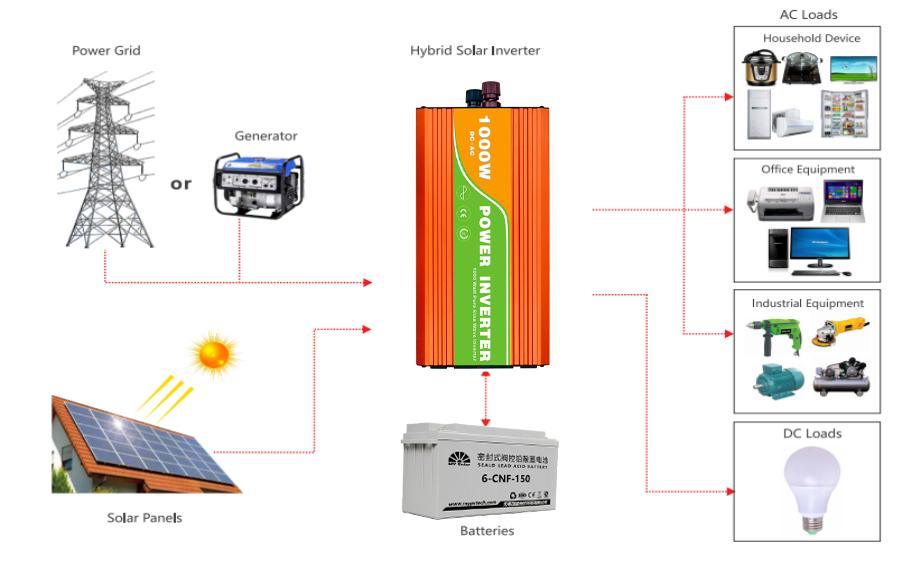
Winterizing the balance of system components is equally necessary. Off-grid or hybrid setups rely on battery storage banks that are highly sensitive to freezing temperatures. Charging lithium iron phosphate batteries below freezing causes irreversible lithium plating and capacity loss. Proper solar panel maintenance extends to thermal management for these enclosures. Operators must install insulated battery boxes and utilize internal heating mats. Temperature-compensated smart charge controllers automatically adjust voltage parameters based on ambient conditions, keeping the entire system safely within operational thresholds.
Commercial operators face a different scale of winter challenges. Manual snow removal across megawatts of capacity requires a strict cost-benefit analysis. Facility managers must calculate whether the labor cost of deploying a clearing crew outweighs the value of the recovered energy yield. In many utility-scale scenarios, the math favors passive melting. Waiting for the sun to clear the steep-tilted arrays naturally often proves more economical than funding hundreds of manual labor hours. Active clearance is typically reserved for prolonged, heavy snow events that threaten structural load limits.
When intervention is necessary, automated and mechanical solutions replace manual labor. Specialized utility vehicles, such as compact tracked loaders equipped with directional snow blowers, manage inter-row accumulation. These machines clear the access paths and reduce the height of the snowbanks beneath the lower module edges. Operators must maintain strict distance protocols to prevent impact damage or flying debris from striking the glass. Proper solar farm maintenance relies on efficient mechanical clearing to maintain site access without endangering the generating assets.
Remote monitoring serves as the primary diagnostic tool during winter months. Granular, string-level data allows operators to assess site conditions without rolling a truck. A sudden drop in string voltage following a storm usually indicates snow coverage or ice damming. However, if neighboring strings clear and resume production while one remains offline, the monitoring platform highlights a potential hard electrical fault. Differentiating between temporary weather obstruction and actual hardware damage caused by ice expansion allows for targeted, efficient dispatch of repair technicians to the solar power system.
Manual intervention carries inherent risks to the hardware. The most insidious threat is micro-cracking. Applying excessive physical pressure to the glass while clearing heavy snow flexes the silicon wafers inside the module. This flexing creates microscopic fractures invisible to the naked eye. Over time, thermal cycling causes these cracks to separate. The affected cells experience increased resistance, generating localized heat. These hot spots permanently degrade module performance and can eventually lead to backsheet burn-through or glass shattering.
Improper maintenance practices carry severe financial consequences. Manufacturers strictly define acceptable cleaning methods. Utilizing unauthorized tools, such as metal scrapers, instantly voids the equipment warranty. Scratched anti-reflective coatings reduce light transmission and permanently lower yield. Additionally, the application of chemical de-icers, including rock salt or calcium chloride, causes rapid galvanic corrosion of the anodized aluminum frames and mounting hardware. Chemical damage is universally excluded from warranty coverage.
Mitigating these risks requires careful vetting during the procurement phase. Assessing your solar system supplier involves looking beyond component specifications. Operators must demand winter-specific engineering guarantees. Review the service level agreements to understand exactly who holds responsibility for winter damage or snow clearing. A reliable supplier provides historical deployment data demonstrating their hardware's survival and performance in similar cold-weather climates.
Vendor Evaluation Criteria | What to Look For | Red Flags |
|---|---|---|
Structural Engineering | Site-specific stamped drawings for local snow loads (psf/Pa). | Generic load ratings without local engineering stamps. |
O&M Service Level Agreements | Clear definitions of winter maintenance responsibilities and response times. | Vague language regarding snow removal liability. |
Component Warranties | Explicit coverage for cold-weather degradation and ice expansion. | Clauses that void warranties for standard manual snow clearing. |
A ground-mounted array remains inherently superior to rooftop configurations for winter performance, provided the engineering accounts for local snow loads, cumulative clearance requirements, and extreme weather resilience. Ground-level accessibility transforms winter upkeep from a dangerous logistical nightmare into a manageable operational routine. By leveraging the physics of cold-weather efficiency and implementing strict, non-destructive clearing protocols, operators can maintain high yields throughout the darkest months of the year.
When expanding or upgrading, prioritize racking systems with seasonal adjustability and bifacial module compatibility. Demand transparent structural engineering reports that prove the hardware can withstand regional static snow loads. The initial investment in robust, winter-ready infrastructure pays dividends through decades of uninterrupted cold-weather production.
Audit current racking angles and adjust to the maximum winter tilt before the first hard freeze.
Procure approved, non-abrasive foam squeegees and telescoping fiberglass poles for your maintenance crews.
Verify the ground clearance beneath the lowest module edge against local historical snow drift data.
Review existing O&M contracts to explicitly define winter maintenance responsibilities and liability limits.
Inspect battery enclosures and verify the operation of temperature-compensated charge controllers.
A: Snow itself does not damage the modules. However, the static weight of heavy, wet snow can buckle inadequate racking structures. Ice expansion inside aluminum frame channels can also cause warping. Physical damage most commonly occurs from improper manual snow removal using hard tools, not from the weather itself.
A: Cold temperatures do not stop production. Photovoltaic cells function optimally in extreme cold. As long as sunlight reaches the silicon and the glass is free of snow or ice, the system will generate electricity. Voltage actually increases as the temperature drops below freezing.
A: Intervene only if accumulation is heavy, persistent, and blocking production for extended periods. If you can safely reach the array from the ground, use an approved soft foam squeegee. For light dustings, let the sun melt the snow naturally to avoid risking micro-cracks.
A: Yes. You must manage cumulative snowbanks beneath the structure. When snow sheds off the glass, it piles up on the ground. If that pile reaches the bottom edge of the modules, the shedding process stops. The array will remain buried until the pile melts.
A: Utilize steep winter tilt angles to accelerate shedding before snow can melt and refreeze. Frameless modules also prevent water from pooling and freezing at the bottom edge. Never use chemical de-icers or rock salt. They will corrode the aluminum frames and void your warranty.
A: Utility-scale sites rarely use manual labor to clear glass due to high costs. They rely on calculated passive shedding. Automated mechanical interventions are typically limited to using specialized utility vehicles with snow blowers to clear inter-row access paths and manage ground-level snowbanks.
A: Yes. Using hard plastic roof rakes, standard brooms, or metal shovels will scratch the anti-reflective coating on the glass and stress the silicon wafers. Physical scratches, impact damage, and micro-cracking caused by unauthorized tools are universally excluded from manufacturer warranties.


