
Views: 0 Author: Site Editor Publish Time: 2026-08-09 Origin: Site


Early adopters of agricultural renewable energy face a pressing reality. Legacy arrays installed over a decade ago are rapidly approaching the 15-to-20-year mark. These aging systems suffer from declining yields, escalating fault frequencies, and compounding operational burdens. Farm operators lose critical energy offsets while maintenance overhead increases year over year. Facilities risk failing to meet strict Power Purchase Agreement obligations, and underutilized land or barn roof space represents a massive opportunity cost. Repowering an aging array is not a simple maintenance task. It is a strategic capital expenditure designed to recover lost yield. Operators must evaluate existing infrastructure thoroughly before initiating changes. Selecting replacement hardware demands a rigorous technical assessment to ensure structural compatibility, electrical compliance, and long-term operational viability. We will explore how to identify the right replacement solar panel for farms to revitalize aging infrastructure and maximize energy production.
Performance Thresholds: Replacing legacy arrays with modern, high-efficiency modules can increase energy density by up to 40% within the same physical footprint, effectively revitalizing the farm's energy output.
Infrastructure Compatibility: A successful solar panel upgrade requires strict electrical and structural matching with existing inverters, wiring, and racking systems—or a calculated upgrade of these Balance of System (BOS) components—to prevent cost overruns.
End-of-Life Compliance: Decommissioning old panels carries regulatory and environmental liabilities; operators must factor recycling, EPA compliance, and potential secondary-market repurposing into the total project cost.
Vendor Bankability: Selecting a Tier-1 solar panel manufacturer with verifiable warranty backing is critical to mitigating long-term operational risk in harsh agricultural environments.
Evaluating an existing agricultural array requires strict baseline metrics. Levelized Cost of Energy dictates overall system performance, but field realities often tell a more immediate story. Operators must monitor annual degradation rates closely. Track fault frequency across individual strings and combiner boxes. Legacy modules degrade significantly faster after 15 years in the field. Microcracks, backsheet delamination, and potential-induced degradation reduce output severely. You must calculate the exact tipping point accurately.
This tipping point occurs when lost yield eclipses the capital required for a solar panel upgrade. Modern modules generate substantially more power per square meter. You recover capital through increased daily generation. Farm operators must audit historical production data first. Compare actual current yields against original engineering projections. Identify specific underperforming zones within the array using thermal imaging. Drone inspections quickly reveal hot spots on legacy modules. These data points justify the repowering investment.
Field technicians use IV curve tracers to measure the exact health of a string. When a string of 250W panels consistently performs like a string of 180W panels, the land is underutilized. Rolling truck dispatches for constant inverter resets or blown fuses add hidden labor costs. You must factor these maintenance hours into the baseline metrics.
Operators must understand the technical distinction between intervention strategies. Targeted revamping replaces only failed or severely degraded components. You swap specific modules to restore baseline capacity. Full-scale repowering replaces the entire array entirely. You often replace inverters and wiring simultaneously. This increases total site capacity dramatically. Analyze the conceptual trade-offs before committing resources.
Revamping requires lower upfront capital expenditure. It addresses immediate hardware failures quickly. However, it leaves older components in place. Repowering guarantees long-term system reliability. It extends the facility lifespan by decades. You also secure complete warranty renewal across the site. Complete repowering maximizes land use efficiency. Modern modules output between 400W and 600W. Legacy modules typically output around 250W. You effectively double production on the exact same footprint.
Strategy | Scope of Work | Primary Benefit | Best Use Case |
|---|---|---|---|
Targeted Revamping | Replace isolated failed modules and connectors. | Restores baseline capacity with minimal disruption. | Systems under 10 years old with localized storm damage. |
Full-Scale Repowering | Replace all modules, inverters, and often wiring. | Maximizes energy density and renews warranties. | Systems over 15 years old with severe widespread degradation. |
Inverter Replacement Only | Swap legacy central inverters for modern string inverters. | Improves MPPT tracking and reduces downtime. | Sites where modules still perform near original specs. |
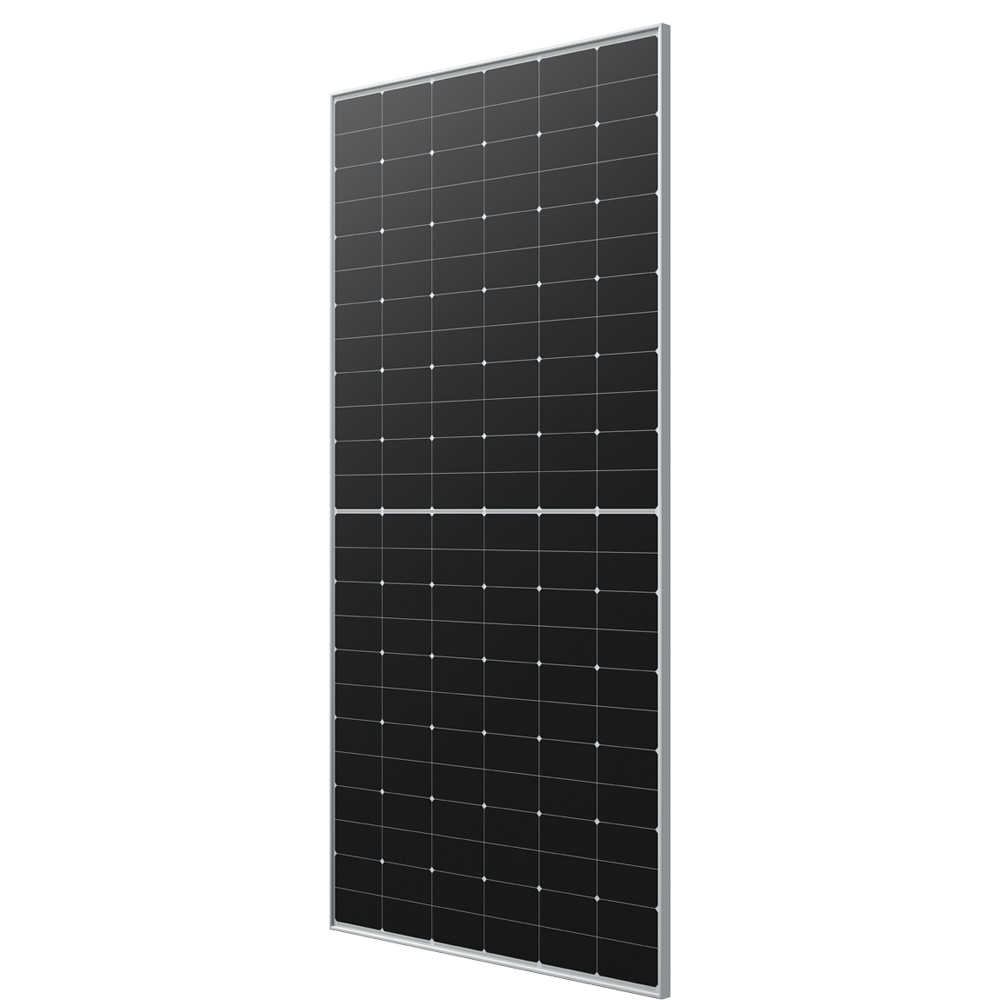
Physical evaluation of existing infrastructure is absolutely mandatory. Modern form factors are physically larger. They are also heavier than legacy panels. Operators must match them with existing mounting structures carefully. Barn roofs have strict dead load and live load limits. Open-field environments face high wind uplift forces. Snow load distribution changes drastically with larger module surface areas. Structural engineers must assess racking integrity before installation.
Older 60-cell panels typically measured around 1.6 meters by 1 meter. Modern 144-half-cut cell panels often exceed 2.2 meters in length. This dimensional shift changes the required clamping zones. If you mount a 2.2-meter panel on rails spaced for smaller modules, the wind load will flex the frame and shatter the glass. Galvanized steel mounts often show hidden corrosion after 15 years in damp soil. Aluminum rails might lack the required structural rigidity for heavier modern frames. Upgrading rails or reinforcing purlins is sometimes necessary. You cannot compromise structural safety to save time. Verify mounting hole alignments on modern frames. Ensure existing clamps accommodate thicker or thinner module profiles. Ground-mount systems may require post-driving reinforcement to handle increased wind shear.
Voltage and current mismatches pose severe operational risks. Integrating new panels with older string inverters requires extreme caution. Central inverters have specific DC input voltage windows. Modern high-efficiency panels produce significantly higher short-circuit currents. Legacy wiring may overheat under these new loads. Transformers and AC switchgear must handle the increased output safely. Create a strict evaluation checklist for the electrical infrastructure.
Check maximum DC input voltage limits on existing inverters to prevent overvoltage faults during cold weather.
Verify short-circuit current ratings against new module specifications to ensure safe operation.
Inspect underground DC cable gauges for thermal limits, especially if upgrading from 8A to 14A strings.
Assess combiner box fuse capacities and busbar ratings to handle higher amperage.
Evaluate AC switchgear limits for increased grid export capacity.
Simultaneous inverter upgrades are often financially justified. They prevent severe DC clipping. Modern Maximum Power Point Tracking algorithms extract more yield. Upgrading inverters maximizes the output of the new modules. Old 10 AWG copper wire might handle the current, but legacy MC4 connectors rated for 15A will melt under sustained high loads. You must replace aging connectors to prevent arc faults and fire hazards.
Bifacial modules offer unique yield benefits for agricultural sites. They capture reflected light on the rear side of the panel. Agricultural settings often feature high-albedo surfaces. Light-colored soil reflects sunlight exceptionally well. Crushed rock under ground-mount arrays boosts rear generation. Specific low-lying crops also reflect usable light upward. Standard monofacial panels only capture direct overhead sunlight. Bifacial technology increases total annual yield by 5% to 15%.
Assess durability requirements strictly when selecting solar panels for farms. Livestock environments produce high ambient ammonia levels. Ammonia corrodes standard aluminum frames rapidly. Dust accumulation from plowing reduces optical efficiency. Heavy mechanical impacts from tractors or livestock are common risks. Select modules with certified ammonia resistance ratings. Choose dual-glass designs for superior structural durability. Dual-glass withstands harsh agricultural conditions far better than traditional polymer backsheets. Polymer backsheets degrade quickly when exposed to the constant moisture and chemical vapors present near dairy barns or poultry houses.
Replacing panels disrupts daily farm operations inevitably. You must evaluate logistical approaches carefully. Phased replacements maintain partial power generation throughout the project. You upgrade one specific section or string at a time. This keeps critical farm equipment running on solar power. It minimizes reliance on expensive grid power during construction. Phased rollouts require meticulous project management to isolate live circuits safely. Electricians must lock out and tag out specific combiner boxes while leaving adjacent strings active.
Total system overhauls require a complete facility shutdown. This allows for much faster installation timelines. Crews work rapidly without live-wire constraints. The optimal choice depends entirely on seasonal energy demands. Dairy farms need constant, uninterrupted power for milking equipment. Crop farms experience massive seasonal energy peaks. Plan the solar module replacement during historical low-demand periods. Coordinate shutdown windows with facility managers to prevent operational bottlenecks.
Solar hardware procurement faces volatile current realities. Global supply chains experience unpredictable shipping fluctuations. You must coordinate panel delivery precisely with site readiness. Balance of System components must arrive simultaneously. Missing MC4 connectors or racking clamps delay the entire project. Structure procurement contracts to protect your installation timeline aggressively. Include strict penalty clauses for vendor delivery delays.
Delays interfere directly with critical agricultural seasons. Harvest and planting require full operational focus from farm staff. Construction traffic disrupts heavy machinery logistics on dirt roads. Delivery trucks pulling 53-foot trailers need massive turnaround spaces. Muddy spring roads mean you need tracked skid steers to move pallets, increasing the risk of dropping and breaking modules. Secure local dry warehousing for components before breaking ground. Inspect all modules immediately upon arrival for hidden transit damage. Microcracks sustained during shipping degrade performance instantly. Reject damaged pallets before installation begins.
Retiring 25-to-30-year-old panels carries strict legal responsibilities. Farm owners must follow EPA guidelines meticulously. Legacy panels may contain heavy metals like lead or cadmium. They require formal hazardous waste determination before disposal. Safe management prevents long-term soil and groundwater contamination. Local environmental authorities demand strict disposal documentation. You must prove safe disposal or certified recycling.
Maintain a clear, unbroken chain of custody for all removed hardware. Hire certified decommissioning contractors for the teardown phase. They handle proper electrical disconnection and physical removal safely. They pack legacy modules securely to prevent glass breakage during transit. Broken glass complicates hazardous waste testing protocols. The Toxicity Characteristic Leaching Procedure determines if panels require specialized landfilling. If a panel fails this test for lead, which was common in older solder, it falls under strict hazardous waste regulations. Compliance protects the farm from future environmental liabilities and heavy fines.
Certified photovoltaic recycling facilities charge processing fees per panel. Transportation logistics add significantly to the total disposal cost. Explore on-farm repurposing strategies first before paying for recycling. Degraded panels still produce reliable electricity. They are perfect for lower-demand agricultural applications. Power remote irrigation pumps completely off-grid. Run outbuilding LED lighting systems independently. Charge electric farm utility vehicles using repurposed arrays. A 250W panel that degraded to 180W is still highly useful for charging a 12V battery bank for a remote gate motor.
Once repurposed options are exhausted, evaluate secondary markets. Liquidate functional panels to offset new replacement costs. Used panels hold considerable value for off-grid projects. Brokers purchase bulk lots of degraded modules for export or resale. This improves the financial model of an upgraded agricultural solar system. Ensure you remove all farm branding and asset tags before resale to prevent liability claims if a secondary user installs them improperly.
A 25-year performance warranty requires long-term corporate stability. The paper warranty is only as good as the financial health of the solar panel manufacturer. Evaluate Tier-1 manufacturers rigorously before signing procurement contracts. Check their Altman Z-scores to assess bankruptcy risk. Review historical warranty claim resolution rates. Look for comprehensive third-party insurance backing. This guarantees the warranty remains valid even if the manufacturer folds.
Agricultural environments test module limits constantly. You need a warranty that pays out without bureaucratic friction. Verify the distinction between product warranties and performance warranties. Product warranties cover physical defects like frame separation. Performance warranties guarantee a specific degradation curve over time. Ensure the warranty explicitly covers installations in high-ammonia livestock environments. Standard warranties often void coverage in these harsh conditions. Read the fine print regarding labor payouts. Some warranties only replace the hardware but refuse to cover the labor costs of rolling a truck to swap the defective module.
Local or regional technical support is absolutely mandatory. Agricultural operators cannot wait weeks for factory service responses. Equipment downtime costs money every single hour. Transparent supply chains are legally necessary today. Ensure strict compliance with modern labor and import regulations. The Uyghur Forced Labor Prevention Act in the US blocks non-compliant imports at the border. Customs and Border Protection will detain panels without a clear bill of materials tracing the quartz to metallurgical grade silicon to polysilicon.
Detained shipments ruin repowering project timelines completely. Demand full traceability documentation from the vendor upfront. Verify the origin of polysilicon, ingots, and wafers. Reliable manufacturers provide complete supply chain mapping upon request. Strong after-sales support includes rapid replacement of dead-on-arrival modules. Choose partners who warehouse spare modules domestically for immediate dispatch.
Upgrading an aging agricultural solar system is a complex maneuver. It is highly profitable when executed with rigorous technical oversight. You must take a holistic view of all system components. The ideal replacement balances modern efficiency gains with physical constraints. It respects the electrical limits of the legacy infrastructure.
Take the following actionable steps to initiate your repowering project:
Commission a comprehensive site audit to establish baseline degradation metrics and identify underperforming strings.
Conduct a strict inverter compatibility check with modern module specifications to prevent DC clipping.
Request detailed lifecycle yield projections from shortlisted engineering, procurement, and construction partners.
Secure structural engineering approvals for legacy racking systems before ordering larger format panels.
Develop a compliant end-of-life disposal plan for the outgoing modules to avoid environmental fines.
A: Monitor your system for degradation rates exceeding 20% of original capacity. Frequent inverter faults, string outages, and physical module damage indicate end-of-life. If the system consistently fails to meet production targets or original warranties have expired, repowering is likely financially justified.
A: You cannot do this without a structural engineering review. Modern panels have larger dimensions and heavier weights. Legacy racking may lack the required wind uplift resistance, snow load capacity, or correct clamping zones. Structural reinforcements are often necessary to prevent catastrophic failure.
A: The best option is a dual-glass module with certified ammonia resistance. Livestock environments produce corrosive gases that degrade standard aluminum frames and polymer backsheets. Dual-glass panels offer superior durability against chemical corrosion, dust, and mechanical impacts from farm machinery.
A: It is not strictly mandatory if voltage and current specifications align. However, modern panels produce higher currents that often exceed legacy inverter limits, causing DC clipping. Replacing inverters is highly recommended to maximize the energy output of the new modules.
A: Old panels must be managed safely. Options include certified recycling to recover glass and metals, ensuring EPA compliance. Functional panels can be repurposed on-farm for low-draw equipment like irrigation pumps, or sold on secondary markets to offset project costs.
A: Downtime depends on system size and strategy. A total system overhaul requires a complete shutdown, often lasting weeks. Phased deployment strategies allow you to upgrade one section at a time, maintaining partial operational power and minimizing disruption to farm activities.


