
Views: 0 Author: Site Editor Publish Time: 2026-07-27 Origin: Site


An attractive factory quote can hide the issues that matter most: unclear specifications, unapproved material changes, incomplete certification, or costs that appear only after shipment. For global buyers, OEM Solar Panel sourcing is therefore less about choosing the highest wattage and more about controlling how the product is designed, manufactured, documented, and delivered. Reliable procurement depends on matching the module to its final installation, verifying repeatable factory processes, confirming that certification covers the ordered construction, and testing a pilot batch before scaling. These checks help buyers compare suppliers on evidence rather than promises.
The brief should begin with the site where the Solar Panel will operate. Residential roofs, commercial buildings, utility arrays, off-grid systems, agricultural facilities, and coastal locations impose different limits on dimensions, weight, voltage, mounting, and environmental resistance. Rated power is only one part of the choice because a higher-output Solar Panel may also be larger, harder to handle, less efficient to pack, or unsuitable for the planned inverter string. Electrical requirements should therefore cover power tolerance, operating voltage and current, open-circuit voltage, short-circuit current, and temperature behavior, while mechanical requirements should specify construction, frame geometry, mounting zones, loads, and racking compatibility.
Mysolar’s Solar Panel range illustrates this choice with a 550W model intended for solar generation, grid-tied systems, and residential applications, alongside products in the 600–700W range. These examples do not mean that the highest wattage is automatically preferable. Buyers must compare installation area, string design, labor, module handling, and container utilization before selecting a format. A well-written brief explains why the chosen design fits the project rather than simply requesting high efficiency.
The approved specification should separate standard factory features from controlled OEM changes. It needs to identify the cell layout, glass structure, encapsulant, backsheet or rear glass, frame, junction box, connectors, cables, nameplate, serial-number format, artwork, manuals, cartons, and pallet marks. Every drawing should carry a revision number and approval date, and later changes to materials, dimensions, electrical layout, labels, or packing should require written authorization. This baseline allows production staff and inspectors to judge the same finished Solar Panel against measurable requirements.
OEM Requirement Sheet
Requirement Area | Details the Buyer Should Confirm |
Application | Installation type, climate, system voltage |
Electrical | Rated power, tolerance, voltage, current |
Mechanical | Dimensions, weight, frame, load rating |
Materials | Cells, glass, encapsulant, backsheet, junction box |
Branding | Logo, labels, serial numbers, manuals |
Packing | Carton design, pallet size, shipping marks |
Annual capacity is a screening figure, not proof that the quoted line can deliver a specific order. Buyers should verify which stages are performed directly, which are subcontracted, and whether the relevant line has produced a comparable Solar Panel power class, construction, customization level, and order volume. Current utilization, maintenance schedules, technical staffing, material availability, and backup plans reveal whether capacity is genuinely available. Recent production records, anonymized inspection reports, equipment lists, and examples of similar packaging are more useful than broad factory claims.
A remote audit can support early screening, but it should show the proposed production line rather than a polished showroom route. The buyer should ask who controls production scheduling, who signs the final quality release, and how shortages of approved materials are handled. When the order is time-sensitive, the factory should also demonstrate how it prevents rush production from bypassing normal inspection gates.
The engineering sample should become the golden sample for appearance, dimensions, workmanship, labeling, and packaging. Its serial number, signed datasheet, drawings, artwork, and inspection results should be referenced in the purchase agreement. A locked bill of materials must identify cells, glass, encapsulants, rear-side materials, frames, junction boxes, cables, and connectors, while any substitution requires a written engineering-change notice. That notice should explain the reason, affected batches, certification impact, validation evidence, and implementation date, especially when deliveries span several production runs.
Quality control should follow the manufacturing sequence from incoming materials through cell handling, stringing, layup, lamination, framing, junction-box installation, testing, and packing. Finished Solar Panel units should have traceable power data, electrical-safety results, dimensional checks, visual records, and packaging approval. Electroluminescence images are most valuable when linked to a serial number or clearly defined batch. The acceptance plan must also state sampling quantities, defect categories, reinspection triggers, and responsibility for rejected units. Incoming quality control, module inspection, and manufacturing discipline remain essential because a qualified design still depends on consistent execution.
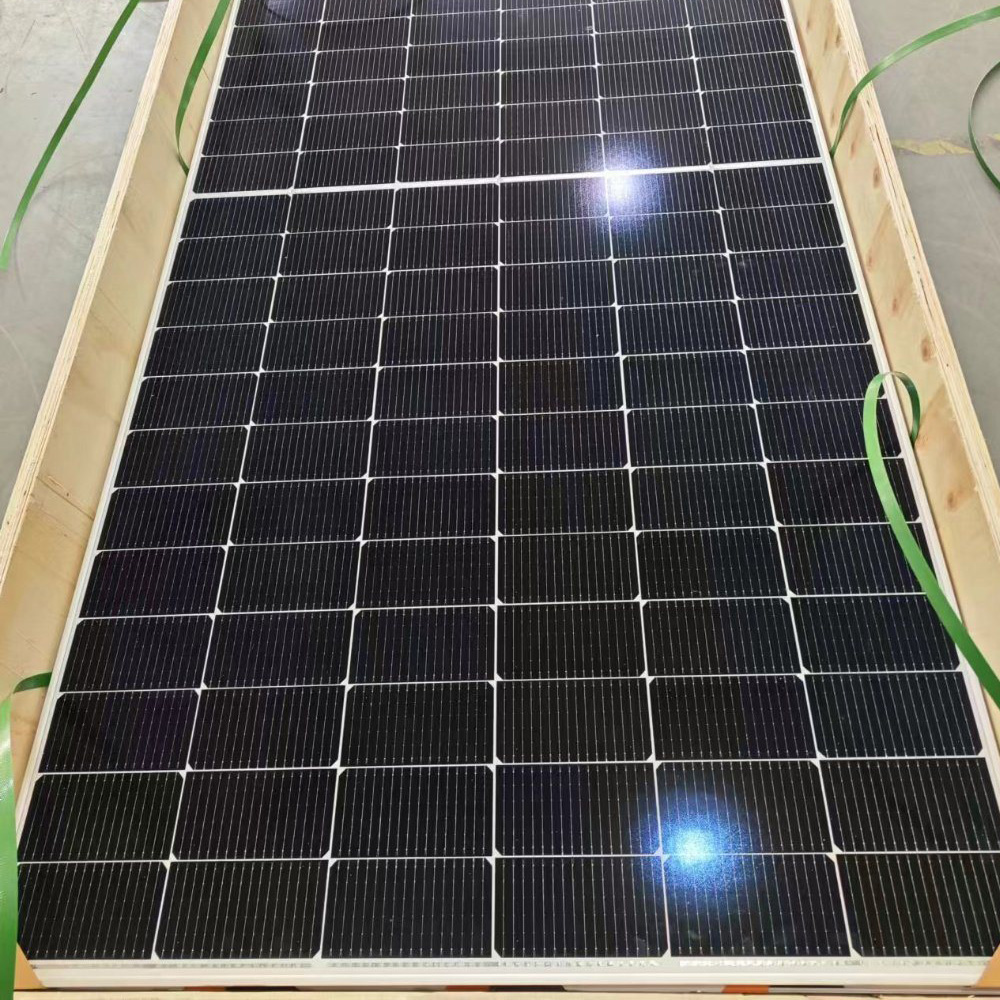
A certificate should be checked against the Solar Panel actually ordered, not accepted merely because the manufacturer’s name appears on it. Buyers need to confirm the factory address, model family, power range, module construction, controlled components, issue status, and any limitations. Changes to glass, encapsulation, junction boxes, cell layout, or other safety-related parts may require technical review or retesting.
IEC 61215-1:2021 covers design qualification requirements for terrestrial PV modules intended for long-term operation in open-air climates, but passing its tests should not be treated as a quantitative prediction of module lifetime. IEC 61730-1:2023 addresses construction requirements intended to support safe electrical and mechanical operation. Together, these standards provide an important baseline without replacing national codes or destination-market requirements.
Site conditions may justify additional evidence beyond the core qualification documents. Coastal projects can require corrosion-related testing, agricultural sites may need resistance to chemically aggressive environments, and exposed arrays may have project-specific wind, snow, or fire requirements. These checks should be selected from the actual risk profile rather than added as a generic certificate shopping list.
Solar Panel compliance should be assembled as one controlled shipment file containing approved drawings and datasheets, applicable certificates and reports, invoice, packing list, country-of-origin documents, serial-number list, production records, inspection results, and approved labels. Each item needs an owner, review deadline, and final version because inconsistent model names, quantities, or marks can delay an otherwise acceptable shipment. Import duties, trade measures, labeling rules, and traceability obligations should be checked before the production deposit is paid. The contract should state which party prepares every document and who bears costs created by errors, while recognizing that complete paperwork reduces risk but cannot guarantee customs clearance.
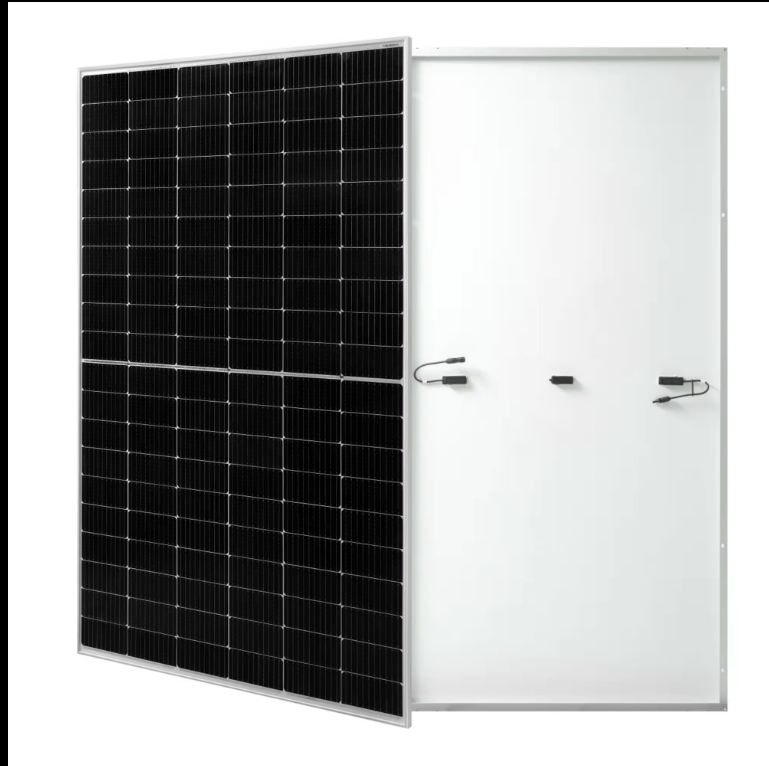
A useful quotation separates the base Solar Panel price from samples, engineering, tooling, labels, special cartons, extra tests, certification reviews, inspections, freight, and insurance. It should also state whether the MOQ applies to each model, wattage, label version, or total order. Branding an existing design generally requires less production disruption than changing dimensions, circuitry, materials, or certified components. Quotations can only be compared fairly when they refer to the same specification revision, test scope, packaging method, and delivery term.
Payment structure also affects exposure. A first order may use staged payments tied to technical approval, production progress, passed inspection, and release of shipping documents rather than a large balance due before any independent check. The contract should identify the evidence required at each milestone so payment is linked to verified progress, not simply to the supplier’s calendar.
The agreement should define when lead time begins and set deadlines for drawings, samples, production, inspection, corrective action, and shipment documents. Inspection rights, substitution rules, delay remedies, failed-batch treatment, and responsibility for incorrect labels or records must be written rather than left to goodwill. Warranty terms should identify acceptable claim evidence, response times, replacement or credit methods, freight responsibility, and treatment of discontinued models. Large projects may also need spare Solar Panel units or reserved replacement stock because a future design with different dimensions or electrical characteristics may not be interchangeable.
An engineering sample proves that the proposed design can be built once, while pilot production tests whether normal workers, equipment, materials, records, and packaging can reproduce it. Pre-shipment inspection then checks whether the commercial batch matches the approved standard. Solar Panel pilot units should come from the intended line rather than a separately prepared display run. The review should compare electrical consistency, dimensions, mounting fit, workmanship, labels, serial numbers, packaging, test records, and export documents with the golden sample and signed specification.
Mass production should be released only when the buyer can confirm the following:
● The technical specification, drawings, artwork, golden sample, and bill of materials are approved.
● Certification scope matches the ordered construction and production site.
● Factory capability and traceable quality records have been reviewed.
● Pilot deviations have been corrected and verified.
● Pricing, Incoterms, inspection rights, remedies, and warranty procedures are contractual.
● Shipment documents have named owners and deadlines.
Repeated documentation errors, unexplained test inconsistencies, unauthorized substitutions, or slow corrective action indicate that the control system behind the Solar Panel program may be weaker than the sample suggests. Conditional approval should include a deadline and objective evidence requirement. The buyer should also record who has authority to release production and prevent sales staff from treating a technical comment as approval. Unresolved critical issues should stop the order because scaling simply multiplies the cost of a known problem.
Successful OEM sourcing depends on more than module wattage or factory pricing. Buyers need a clear Solar Panel specification, verified production controls, applicable certification, transparent landed costs, and a pilot order that confirms repeatability before full-scale purchasing. These steps reduce the risk of material substitutions, documentation problems, delayed deliveries, and inconsistent batches. MY Solar Technology Co., Ltd. supports OEM buyers with solar panel products and customization services aligned with project requirements, helping procurement teams move from initial specifications to production with clearer expectations and more practical quality control.
A: An OEM manufacturer produces modules to an agreed technical specification and may also apply the buyer’s branding, labels, packaging, manuals, and serial-number system.
A: Customization may include power output, module dimensions, glass structure, frame, connectors, cable length, labels, packaging, and documentation, provided the design remains technically and legally compliant.
A: MOQ varies with customization depth, material availability, tooling needs, and production scheduling. Rebranding an existing model usually requires a smaller commitment than developing a new design.
A: Requirements depend on the destination market and installation. Buyers should confirm design qualification, electrical safety, factory location, model coverage, and any necessary environmental testing.
A: Review the approved bill of materials, golden sample, production records, electroluminescence images, power-test data, safety checks, serial-number traceability, and pre-shipment inspection results.
A: Lead time includes technical review, sample approval, material preparation, production, inspection, documentation, and shipping. Deeper customization generally adds more approval and validation steps.


