
Views: 0 Author: Site Editor Publish Time: 2026-08-18 Origin: Site


Supply chain volatility hammers EPC margins daily. You face fluctuating material availability and unforgiving project deadlines that leave zero room for error. Procuring modules at scale goes far beyond a simple spec sheet comparison. You have to navigate strict import regulations, verify manufacturer bankability, and guarantee long-term yield reliability. Doing this protects your firm's reputation and secures the bottom line. A single delayed shipment or a failed compliance audit at customs will derail your entire construction schedule, leaving crews idle and equipment stranded. We use a systematic framework for evaluating and selecting a supplier. This approach minimizes implementation risks, ensures regulatory compliance, and optimizes the Levelized Cost of Energy (LCOE) for utility and commercial-scale deployments. You need actionable strategies to keep crews working, avoid liquidated damages, and get the asset energized on time.
Bankability over Tier 1: "Tier 1" status is a measure of financial stability, not guaranteed product quality; independent factory audits and third-party testing are mandatory for risk mitigation.
Total Landed Cost Focus: The true cost of wholesale solar panels must account for Incoterms, import tariffs, warehousing, and potential liquidated damages from delayed shipments.
Traceability is Non-Negotiable: Strict adherence to supply chain traceability (e.g., UFLPA compliance in the US) is required to prevent catastrophic project delays at customs.
Contractual Safeguards: Master Supply Agreements (MSAs) must include rigid milestone triggers, pre-shipment quality control (QC) clauses, and clear warranty backing.
Successful procurement defines the profitability of modern EPC solar projects. Success means achieving on-time delivery, experiencing zero compliance bottlenecks, and securing guaranteed performance metrics. Procurement acts as the central nervous system of project execution. When components arrive late, construction crews sit idle while overhead accumulates. When modules fail quality checks upon delivery, engineering teams must scramble to redesign string layouts to accommodate replacement panels with different electrical characteristics. You need a proactive strategy to prevent these cascading failures from destroying your project margins.
Integrating procurement early with engineering and construction prevents costly project silos. Engineering teams need early access to module specifications to ensure Balance of System (BOS) compatibility. If procurement selects a high-current module without consulting engineering, the short-circuit current might exceed the central inverter's maximum input rating. Construction managers require precise delivery windows for laydown yard scheduling. Cross-phase alignment streamlines the entire EPC model. It allows teams to optimize tracker configurations, plan inverter sizing, and sequence site preparation based on actual delivery timelines rather than optimistic projections.
You must constantly balance margin protection against quality assurance. Selecting low-cost modules might improve initial capital expenditure metrics on paper. However, this approach introduces severe long-term financial risks. Higher degradation rates erode energy yield over time, causing the asset to underperform against the power purchase agreement (PPA) guarantees. Warranty defaults leave you liable for replacement costs if the manufacturer refuses to honor claims. Quality assurance always pays dividends when managing utility-scale assets.
Supply chain volatility directly threatens project timelines. Geopolitical factors shift trade routes and alter tariff structures overnight. Raw material shortages, particularly in polysilicon and silver paste, drive unpredictable availability. Shipping constraints and port congestions add weeks to transit times. You must build resilient supply networks to absorb these shocks. Diversifying your sourcing channels and maintaining strategic reserves helps mitigate these unavoidable industry disruptions.
Laydown Yard Bottlenecks: Uncoordinated deliveries overwhelm site logistics, forcing crews to double-handle modules and increasing the risk of glass breakage.
Tracker Compatibility Failures: Procuring large-format modules without verifying tracker torque limits leads to structural failures during high wind events.
Labor Overruns: Unexpected module dimensions or weights require larger installation crews, blowing out the mechanical installation budget.
Commissioning Delays: Failing to secure the correct module files (.PAN files) delays SCADA integration and final performance testing.
Sourcing modules requires evaluating multiple supply channels. You can source directly from a manufacturer for massive utility-scale orders. You can utilize an established wholesale distributor for regional commercial projects. You can also leverage secondary markets for spot buys to bridge unexpected supply gaps when primary shipments face delays. Each approach carries distinct lead time and risk profiles.
Evaluate the logistical advantages of bundling components. Partnering with a comprehensive solar panel supplier capable of bundling modules with inverters, racking, and BOS equipment simplifies logistics. Bundling reduces the number of freight shipments arriving at the site. It minimizes compatibility risks between components because the supplier validates the integration beforehand. It also provides stronger leverage for negotiating favorable payment terms across the entire equipment package.
Sourcing Channel | Primary Advantage | Logistical Burden | Best Suited For |
|---|---|---|---|
Direct from Manufacturer | Maximum volume allocation and direct MSA negotiation. | High. Requires managing international freight and customs. | Utility-scale projects (50MW+). |
Wholesale Distributor | Localized inventory and component bundling capabilities. | Low. Distributor handles import and warehousing. | Commercial and industrial (C&I) projects. |
Secondary Market Spot Buys | Immediate availability for shortfalls. | Medium. Requires intense QA to verify module condition. | Bridging unexpected delivery gaps. |
The BloombergNEF Tier 1 list has distinct limitations. It measures manufacturing capacity and recent debt financing. It does not guarantee product quality or long-term solvency. Relying solely on Tier 1 status exposes you to significant risk. You must dig deeper into the financial health of the organization producing your assets to ensure they survive the duration of their warranties.
Review the manufacturer's Altman Z-score to predict bankruptcy risk. Analyze their debt-to-equity ratios to understand their leverage. Investigate their historical warranty claim fulfillment rates. A company that fights every warranty claim or lacks the cash reserves to honor them is not a viable long-term partner. Financial bankability ensures the company will exist in fifteen years to support their product in the field.
You must mandate the use of third-party IE reports to validate performance claims. Organizations like PVEL (PV Evolution Labs) and RETC (Renewable Energy Test Center) subject modules to rigorous accelerated lifecycle testing. Their reports reveal how panels perform under thermal cycling, damp heat, and mechanical stress. Never accept internal manufacturer testing data at face value, as it rarely reflects real-world site conditions.
Factory audits are a critical component of risk mitigation. Outline strict audit protocols before signing contracts. Verify the bill of materials (BOM) to ensure the factory uses the exact backsheets, encapsulants, and cells specified in the IE reports. Check automated soldering precision to prevent micro-cracks. Review electroluminescence (EL) testing protocols to confirm every panel is scanned for hidden defects before packaging. Walk the floor and inspect the calibration logs of the stringer machines.
Analyze the structure of standard warranties carefully. Most top-tier manufacturers offer 12-to-15-year product warranties covering manufacturing defects. They also provide 25-to-30-year linear performance warranties guaranteeing specific degradation limits. You must understand the exact procedures and labor compensation rates included in these agreements. Many warranties cover the replacement module but refuse to cover the labor required to swap it out on site.
Highlight the importance of third-party warranty insurance. Even the largest PV module manufacturer can face insolvency over a 30-year project lifespan. Insurance policies from entities like Munich Re backstop the manufacturer's warranty. If the supplier goes bankrupt, the insurance policy covers the cost of replacing defective modules. This backing is often a mandatory requirement for securing project financing from major lenders.
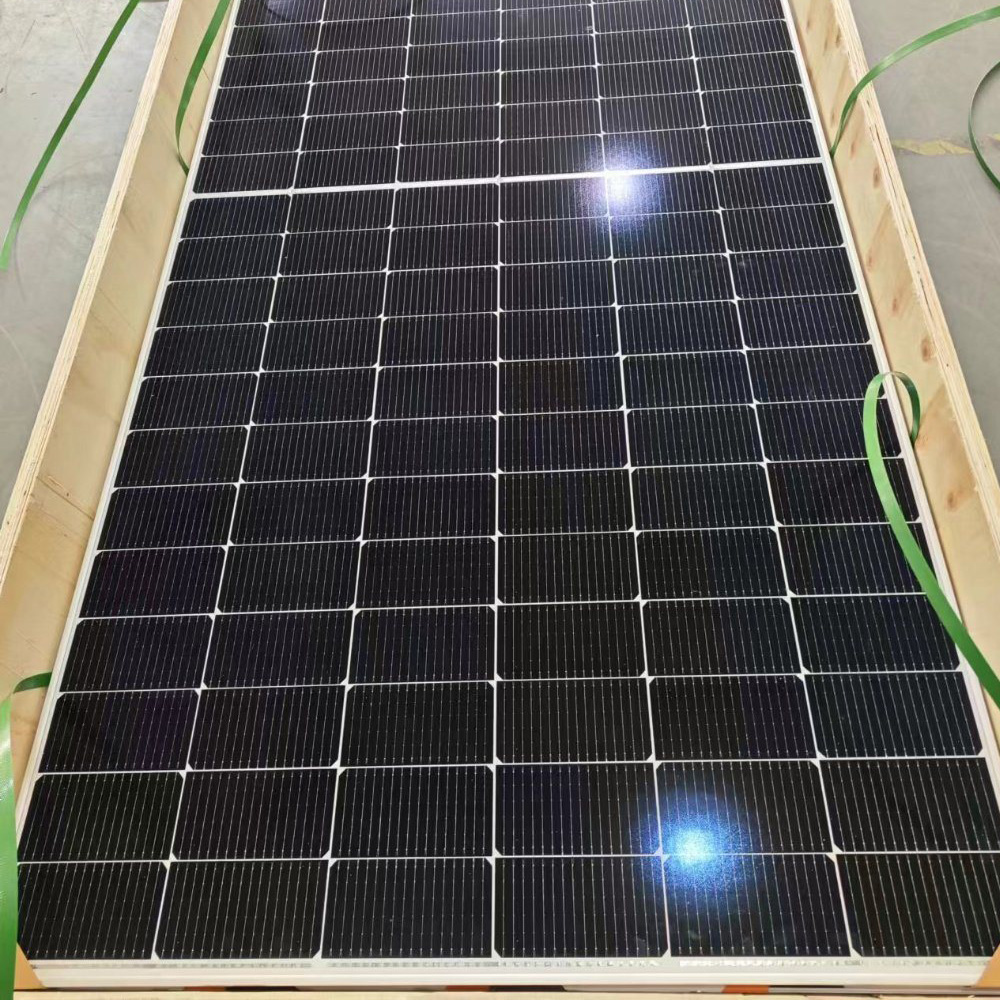
Technical evaluation must map specific module specifications to EPC project outcomes. Panel wattage outputs directly influence racking requirements and labor costs. Higher efficiency modules reduce the total number of panels needed, which lowers the overall LCOE. You must translate every technical feature into a measurable operational outcome for the project.
Compare advanced cell technologies to understand their impact on BOS requirements. PERC (Passivated Emitter and Rear Cell) remains the established baseline for many legacy designs. TOPCon (Tunnel Oxide Passivated Contact) offers higher efficiency and better high-temperature performance, making it ideal for desert deployments. HJT (Heterojunction Technology) provides the lowest degradation rates and highest bifaciality. Selecting the right technology optimizes your specific site conditions and maximizes energy yield.
Cell Technology | Average Efficiency | First-Year Degradation | Annual Degradation | BOS Impact |
|---|---|---|---|---|
PERC | 20% - 21.5% | ~2.0% | 0.45% - 0.55% | Baseline standard for utility projects. |
TOPCon | 22% - 23% | ~1.0% | 0.40% - 0.45% | Lowers structural costs due to higher power density. |
HJT | 22.5% - 24% | ~1.0% | 0.25% - 0.35% | Requires specialized handling, yields lowest LCOE over 30 years. |
First-year and annual degradation rates fundamentally alter financial models. A module that degrades at 0.55% annually produces significantly less power in year twenty than one degrading at 0.40%. This yield difference dictates the revenue generated by the asset. Always input verified degradation rates from IE reports into your LCOE calculations to project accurate lifetime returns rather than relying on marketing brochures.
Large-format modules present unique logistical and engineering implications. The industry shift from 166mm to 182mm and 210mm wafers increases panel dimensions and weight. A 210mm module can weigh over 38 kg. Standard site safety protocols often require two workers to lift anything over 22.6 kg. This doubles your installation labor hours for that specific task and alters your entire mechanical installation schedule.
Address compatibility requirements early in the design phase. A 210mm module might exceed the current torque limits of specific single-axis trackers, requiring you to upgrade the tracker motors or add dampeners. High-current modules can clip when paired with older central or string inverters. You must verify that your chosen commercial solar panels integrate seamlessly with your selected structural and electrical components to avoid mid-construction redesigns.
Establish baseline regulatory compliance immediately. Verify core certifications like UL 61730 for North American safety standards and IEC 61215/61730 for international performance and safety. Modules lacking these foundational certifications cannot connect to the grid and will fail local permitting inspections, rendering the entire installation useless.
Evaluate modules against site-specific environmental stressors. Projects in the Midwest require large hail testing. Standard IEC testing uses 25mm ice balls, which is inadequate for hail-prone regions; you need 40mm or 50mm impact testing. Coastal installations demand salt mist corrosion resistance certifications to prevent premature frame degradation. Agricultural sites need ammonia resistance testing. High-altitude or northern projects require high Pascal (Pa) ratings for extreme wind and snow loads. Match the module's durability profile to the exact climate of the deployment site.
Moving modules from the factory floor to the project site involves severe logistical and regulatory hurdles. Implementation risks multiply when crossing international borders. You must develop contingency planning for mid-project disruptions. Route changes, customs holds, and port strikes require agile supply chain management to keep construction schedules intact and crews productive.
Anti-Dumping and Countervailing Duties (AD/CVD) present massive financial risks. Tariffs can drastically alter the capital required for imported modules retroactively. You must stay updated on trade rulings and source from regions exempt from current tariff enforcement. Contractual language must clearly define which party bears the financial burden of unexpected tariff implementations to protect your procurement budget.
Ensure full supply chain traceability to comply with forced labor prevention laws. The Uyghur Forced Labor Prevention Act (UFLPA) in the United States requires comprehensive documentation mapping the origin of every component. You must audit polysilicon sourcing down to the metallurgical grade silicon level. If one node in the supply chain map is missing, Customs and Border Protection (CBP) issues a detention notice. Failing to provide acceptable traceability documentation results in customs seizures, destroying project timelines.
Evaluate the pros and cons of common Incoterms when purchasing wholesale solar panels. DDP (Delivered Duty Paid) places maximum responsibility on the supplier, protecting you from transit risks and customs clearance headaches. CIF (Cost, Insurance, and Freight) requires you to manage import clearance at the destination port. EXW (Ex Works) puts all logistical burden on your procurement team from the moment modules leave the factory floor.
Manage port congestion and demurrage fees proactively. Containers sitting at the port waiting for clearance rack up massive daily storage penalties. Develop strategies for secure local warehousing prior to site deployment. Moving inventory to a local facility buffers against final-mile delivery hiccups and ensures construction crews have a steady supply of materials ready for installation without relying on just-in-time port deliveries.
Establish a rigid protocol for batch testing. Mandate pre-shipment flash testing to verify power output matches the nameplate rating. Require EL imaging review for every batch to detect micro-cracks formed during manufacturing. Reject any pallets that fail these pre-shipment criteria before they are loaded onto cargo vessels. It is always easier to replace a module at the factory than at the project site.
Conduct thorough visual inspections upon arrival at the laydown yard. Transit damage is common. Look for shattered glass, bent aluminum frames, and compromised junction boxes. Perform randomized post-delivery EL testing on a sample of modules to identify micro-cracks caused by rough handling during ocean freight or trucking. Catching damage early simplifies the replacement process and prevents defective modules from being installed on the racking.
Legal and financial agreements lock in value and transfer risk. A poorly structured contract leaves the EPC vulnerable to delivery failures and budget overruns. You must craft agreements that protect your margins while providing the supplier with clear, achievable performance metrics. Every clause must serve to keep the project on schedule and ensure the equipment meets the required technical specifications.
Advise against large upfront deposits. Handing over fifty percent of the contract value before production begins exposes you to massive counterparty risk. Instead, recommend milestone-based payments. Tie initial payments to raw material procurement verification. Release further funds upon production completion and successful pre-shipment QC. Make the final payment contingent upon bill of lading (BOL) issuance or successful site delivery and inspection.
Structure Liquidated Damages (LD) clauses to adequately cover your operational costs. If delayed module deliveries push back the Commercial Operation Date (COD), you face penalties from the project owner. Your contract with the supplier must pass these costs upstream. Define a clear daily penalty rate for late shipments that covers the extended overhead of your construction management team. Cap the total LDs at a percentage of the contract value that incentivizes the supplier to prioritize your order.
Discuss the strategic use of Master Supply Agreements (MSAs). MSAs lock in manufacturing capacity for multi-year project pipelines. They provide predictability for both the EPC and the supplier. By forecasting demand across multiple quarters, you secure guaranteed allocation during periods of high global demand, ensuring your projects never stall due to module shortages.
Implement safe harboring strategies to secure tax credits. Procuring a percentage of your total solar panel wholesale volume early can qualify entire projects for the Investment Tax Credit (ITC) or Production Tax Credit (PTC) ahead of regulatory step-downs. Ensure your MSA includes provisions for warehousing safe-harbored equipment in compliance with IRS continuous effort guidelines, maintaining a clear chain of custody.
Draft a comprehensive Request for Proposal (RFP) detailing your exact technical specifications, required certifications, and delivery timelines.
Schedule preliminary factory audits for your top three shortlisted suppliers to verify their manufacturing processes and quality control standards.
Engage a third-party quality assurance firm to manage pre-shipment EL testing and flash test verification on your behalf.
Consult with trade compliance legal counsel to review all AD/CVD risks and traceability documentation before signing the Master Supply Agreement.
A: Direct-from-manufacturer procurement typically requires an MOQ of at least one to five megawatts (MW), equating to several shipping containers. Wholesale distributors generally offer lower MOQs, sometimes allowing purchases by the single pallet, making them ideal for smaller commercial projects.
A: EPCs verify bankability by analyzing the manufacturer's Altman Z-score to assess bankruptcy risk, reviewing debt-to-equity ratios, and checking historical deployment data. They also require third-party warranty insurance from entities like Munich Re to guarantee coverage if the manufacturer becomes insolvent.
A: Hidden costs include import tariffs, port demurrage fees for delayed customs clearance, specialized transit insurance, local warehousing costs, and the expense of hiring third-party firms for pre-shipment and post-delivery quality control testing.
A: Traceability is critical for customs clearance. Under laws like the UFLPA, failing to provide comprehensive documentation proving the origin of polysilicon and other components will result in customs detaining or destroying the shipment, causing massive project delays.
A: Utility-scale EPCs should buy directly from manufacturers to secure custom MSAs and guaranteed volume allocation. Commercial EPCs often benefit from wholesale distributors due to localized inventory, faster lead times, flexible credit terms, and the ability to bundle panels with inverters and racking.
A: Standard protections include a 12-to-15-year product warranty covering manufacturing defects and a 25-to-30-year linear performance warranty guaranteeing maximum annual degradation rates. EPCs must ensure these warranties are backed by third-party insurance to mitigate long-term insolvency risks.


