
Views: 0 Author: Site Editor Publish Time: 2025-09-04 Origin: Site


Solar energy is one of the cleanest and most reliable renewable energy sources available today. While most people are familiar with large solar panels installed on rooftops or solar farms, there is another category that is becoming increasingly popular: portable solar panels. These compact devices are designed for travelers, campers, outdoor workers, and even households looking for backup power. But one of the most common questions people ask is: how much power can a portable solar panel actually generate?
The answer depends on several factors, including the size of the panel, its efficiency, weather conditions, and how it is used. To understand this better, let’s explore the capabilities of portable solar panels, their limitations, and their role in meeting our growing demand for clean energy.
Portable solar panels are smaller, lightweight versions of traditional solar panels designed for mobility and convenience. Unlike fixed rooftop installations, portable panels can be folded, carried in a bag, or set up temporarily at campsites, job sites, or during travel.
They usually come with features such as:
Foldable or flexible designs for easy transport
Built-in USB ports for charging phones and tablets directly
Compatibility with portable power stations or batteries
Lightweight materials to enhance portability
Their main purpose is to generate enough electricity to charge small devices or provide limited backup power, rather than replacing a household’s entire energy system.
The power output of a portable solar panel is typically measured in watts (W). This number indicates the maximum amount of power the panel can produce under ideal sunlight conditions. Portable solar panels usually range from about 5 watts to 300 watts, depending on their size and design.
Small portable panels (5W–30W): These are often used for charging phones, cameras, GPS units, or small lights. They are lightweight and very easy to carry.
Medium portable panels (40W–120W): These can charge laptops, run camping fridges, or recharge larger power banks. They are popular among campers and RV users.
Large portable panels (150W–300W): These panels can support portable power stations, run small appliances, or act as emergency backup power sources for households.
So, while a small 10-watt panel might only charge a smartphone, a 200-watt portable solar panel paired with a battery could power lights, fans, and even a small refrigerator in an RV.
Even though the rated wattage gives a general idea of what a panel can do, the actual amount of power generated depends on several real-world factors.
Solar panels work best under direct, unobstructed sunlight. On cloudy days, power generation can drop to 10–25% of the rated output. Seasonal changes and geographic location also play a role—panels will perform better in sunny deserts than in areas with frequent rain or fog.
Efficiency refers to how well a panel converts sunlight into electricity. Most portable solar panels have efficiencies between 15% and 22%. A higher efficiency panel can generate more power even if it is smaller in size.
The angle at which a solar panel is placed relative to the sun greatly affects its performance. Panels tilted directly toward the sun generate the most power, while panels placed flat on the ground or in shaded areas produce significantly less.
Solar panels perform best in moderate temperatures. Very high heat can reduce efficiency slightly, while very cold but sunny conditions may actually improve performance.
Some portable panels can charge devices directly, while others store power in a battery for later use. If the connected battery is already full or the device draws less power than the panel generates, some energy will be unused.
Power is measured in watts (W), while energy is measured in watt-hours (Wh). To estimate daily energy production, you multiply the panel’s wattage by the number of sunlight hours it receives.
For example:
A 100-watt portable solar panel in an area with 5 hours of strong sunlight could generate around 500 Wh of electricity per day (100W × 5h = 500Wh).
A 20-watt panel in the same conditions would generate about 100 Wh per day, which is enough to charge a smartphone several times or keep LED lights running for hours.
Of course, real-world conditions often reduce this output, so actual daily production might be closer to 70–80% of these estimates.
The devices and appliances a portable solar panel can power depend on its size and energy storage capacity.
10W–30W panels: Suitable for small electronics like phones, LED lights, or Bluetooth speakers.
40W–100W panels: Can charge laptops, drones, portable fans, or small camping fridges when paired with a battery.
150W–300W panels: Can power larger devices such as CPAP machines, mini-refrigerators, or multiple devices at once when used with a portable power station.
This flexibility makes portable solar panels valuable for campers, travelers, outdoor workers, and anyone who needs reliable power away from the grid.
Portable solar panels come with several benefits that make them attractive for personal and outdoor use.
Mobility: Their lightweight and foldable designs allow easy transport and quick setup anywhere.
Renewable Energy: They rely on the sun, offering a clean and renewable power source without the need for fuel or disposable batteries.
Cost Savings: After the initial purchase, the energy generated is free, reducing long-term costs for travelers or campers who would otherwise rely on batteries or generators.
Versatility: They can charge a wide range of devices, from phones to camping gear, depending on their size and power output.
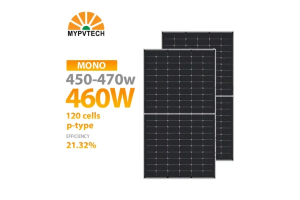
While useful, portable solar panels also have limitations compared to larger, fixed systems.
Limited Power Output: They cannot power high-energy appliances like air conditioners, microwaves, or washing machines.
Weather Dependency: Performance drops significantly in cloudy, rainy, or shaded environments.
Slower Charging: Charging through solar power usually takes longer than plugging into a wall outlet.
Durability Concerns: Some lightweight portable panels may be less rugged compared to permanently installed solar panels.
These limitations mean portable solar panels are best suited for supplementary power, not as a primary household energy source.
To get the most out of a portable solar panel, users can follow a few best practices:
Place the panel in direct sunlight with minimal shading.
Adjust the angle regularly to follow the sun’s path.
Pair the panel with a high-quality portable battery or power station.
Keep the panel clean and free from dust or debris.
Choose higher efficiency panels for better results in limited space.
By following these steps, users can ensure that their panels deliver as much power as possible throughout the day.
The amount of power a portable solar panel can generate depends on its size, efficiency, and sunlight conditions. Small panels may only produce a few watts, enough to charge a phone or small device, while larger panels ranging from 100 to 300 watts can handle camping fridges, CPAP machines, or serve as temporary backup during emergencies. On average, portable solar panels fall within the 5 to 300-watt range, and their daily output is determined by how many hours of direct sunlight they receive. While they cannot replace traditional rooftop solar systems for powering an entire home, their portability and ease of use make them ideal for travelers, outdoor enthusiasts, and anyone who values renewable, off-grid energy.
As technology advances, portable solar panels are becoming more efficient, reliable, and accessible. They offer a sustainable way to stay connected while reducing dependence on fossil fuels, making them an essential companion for eco-conscious lifestyles. Companies like MY Solar Technology Co., Ltd. play an important role in this progress by delivering innovative and high-quality solar solutions that balance convenience with sustainability, empowering people to enjoy energy independence wherever they go.


